

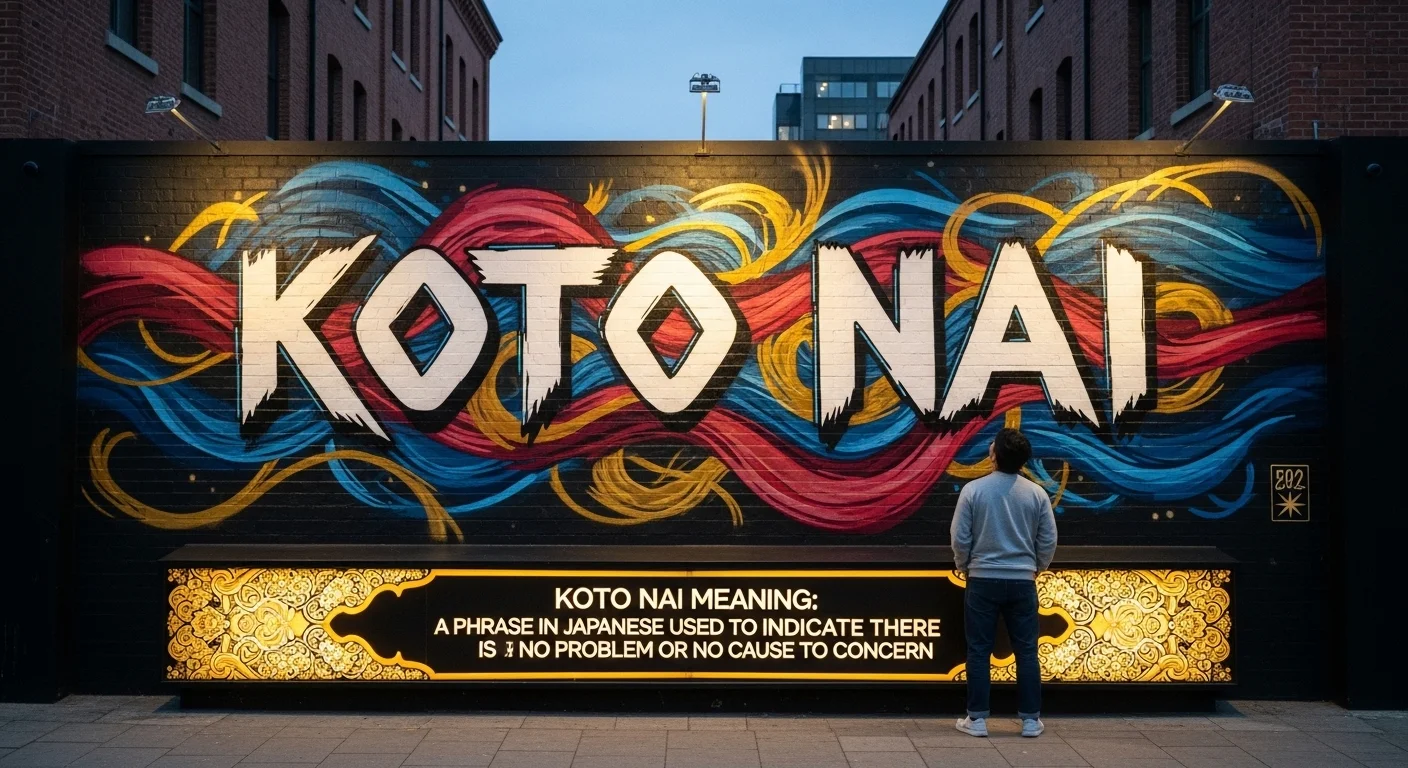
Linguistic & Cultural Background
What Does “Koto Nai” Mean?
In Japanese, Koto Nai (ことない / 事ない) literally translates to “there is no such thing” or “has never happened.”
It is often used to express:
Something that has never been experienced
Something that does not exist
Reassurance that nothing bad has occurred
A calm statement meaning “it’s nothing” or “there’s no issue”
Japanese culture values subtlety and emotional restraint, so Koto Nai often carries a gentle, reflective tone rather than blunt finality.
Koto Nai Meaning Spiritual Reflections & Biblical Parallels
While Koto Nai is not a biblical phrase, its meaning aligns with several spiritual themes found in Scripture—especially around testimony, peace, and God’s protection.
1. “It Has Never Happened” — A Testimony of Preservation
Psalm 37:25
“I have been young, and now am old, yet I have not seen the righteous forsaken…”
Koto Nai mirrors the biblical idea of reflecting on one’s life and recognizing what God has kept from happening. Sometimes, God’s greatest work is not what we see—but what never came to pass.
For believers today, this invites gratitude for unseen protection and divine restraint.
2. “There Is No Such Thing” — Rejecting Fear or Falsehood
2 Timothy 1:7
“For God has not given us a spirit of fear…”
In context, Koto Nai can dismiss fear, rumors, or imagined threats. Spiritually, this aligns with rejecting lies and standing firm in truth.
Christians are reminded to measure claims, worries, and assumptions against God’s Word rather than emotional speculation.
3. “It’s Nothing / No Problem” — Resting in Peace
John 14:27
“Peace I leave with you; my peace I give you…”
When used reassuringly, Koto Nai reflects calm confidence. Biblically, this echoes the peace that comes from trusting God rather than reacting in anxiety.
Believers are encouraged to live from inner peace rooted in faith, not circumstances.
4. “I’ve Never Experienced This” — Awareness of Growth or Lack
Hosea 4:6
“My people are destroyed for lack of knowledge…”
Sometimes Koto Nai expresses innocence or unfamiliarity. Spiritually, this can point to areas where growth, learning, or discipleship is needed.
Christians are invited to pursue wisdom and experience rooted in God’s truth.
Koto Nai Meaning Examples & Contextual Variations
The meaning of Koto Nai shifts depending on context:
Conversation: “そんなことない” (Sonna koto nai) – “That’s not true / That’s not the case”
Experience: “行ったことない” – “I’ve never been there”
Emotion: Used gently to calm or reassure
Songs / Anime: Often expresses longing, reflection, or innocence
Inner Reflection: Awareness of what one has or has not lived through
Just like biblical symbolism, context, emotion, and intention shape meaning.
Koto Nai Meaning When the Phrase Feels Emotionally Heavy
If Koto Nai is tied to feelings of lack, regret, or missed experiences, spiritual grounding is important.
Scripture for Peace and Assurance
Psalm 23 – God’s guidance and restoration
Psalm 91 – God’s protection
Romans 8:28 – God’s redemptive purpose
Prayer for Peace
“Lord, help me trust You with what has and has not happened in my life. Heal any regret, fill every gap with Your peace, and guide me forward in hope.”
Believers are reminded that God redeems both experiences and absences.
Koto Nai Meaning Faith-Based Guidance for Reflection
1. Prayerful Reflection
Ask God to reveal what He has protected you from and what He is inviting you to grow into.
2. Gratitude Over Regret
Thank God not only for what happened—but for what didn’t.
3. Seek Wisdom
Speak with pastors or spiritual mentors when feelings of lack or confusion arise.