
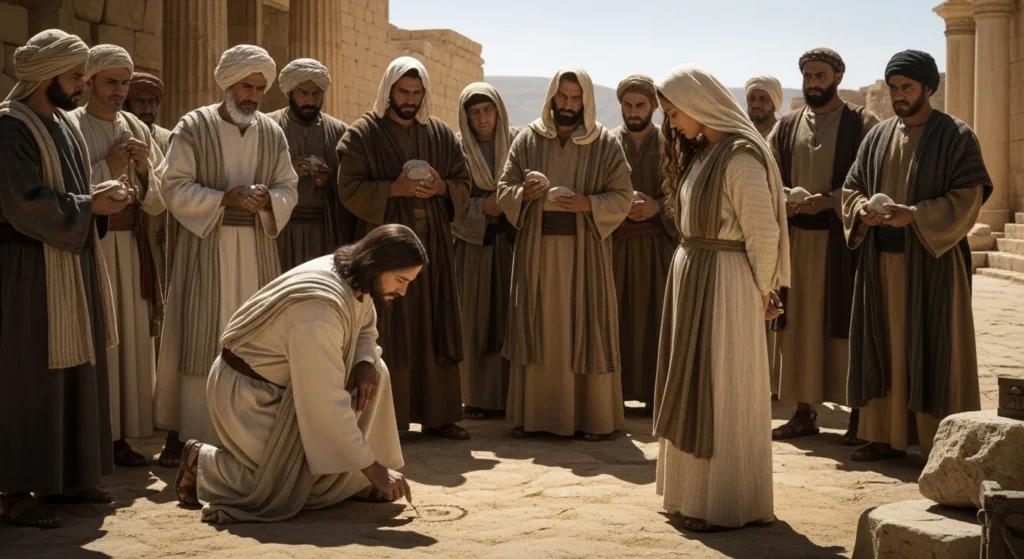
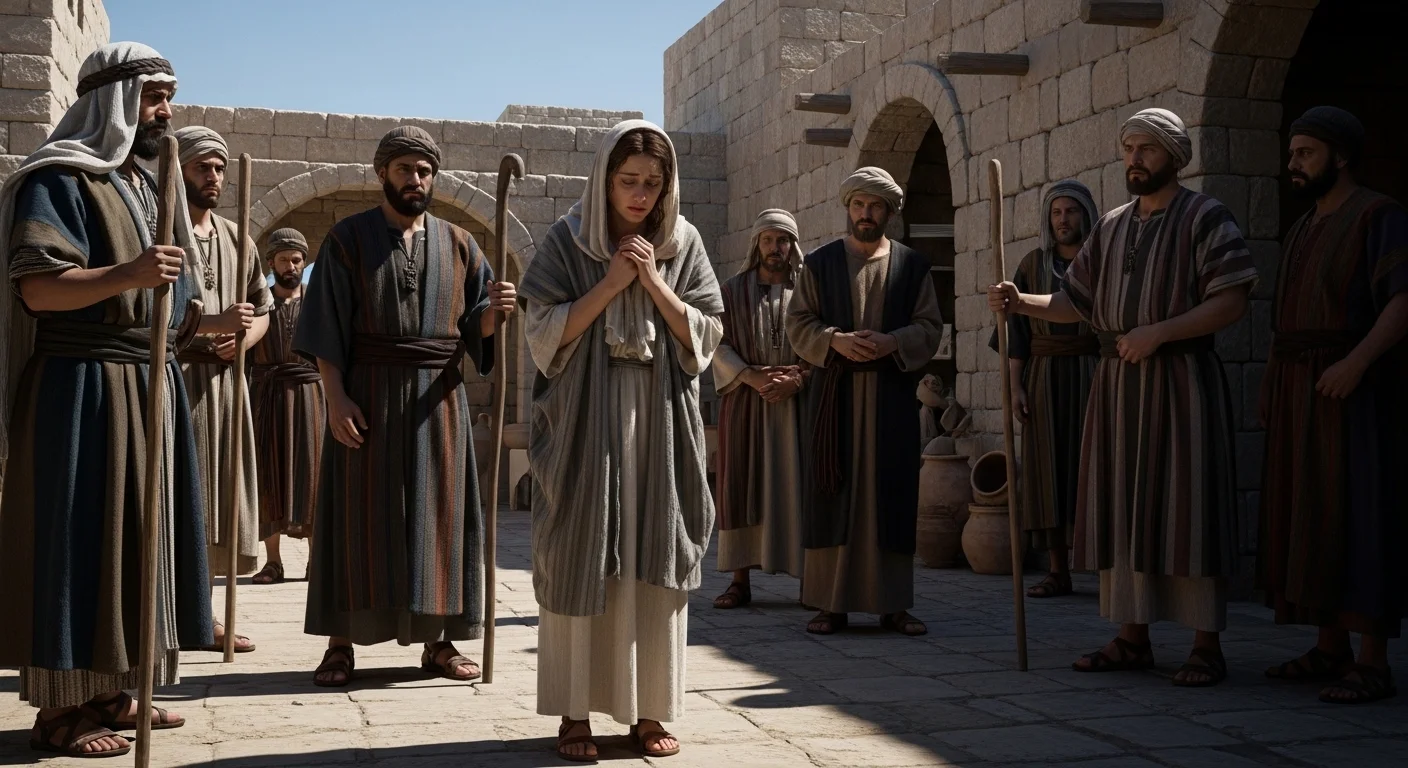
Biblical Background of Adultery
In the Bible, adultery is generally defined as sexual relations outside the covenant of marriage. It is considered a violation of God’s moral law and a betrayal of trust.
Key Scriptures:
“You shall not commit adultery.” — Exodus 20:14 (The Seventh Commandment)
“Do not lust in your heart after a woman to commit adultery.” — Matthew 5:28
“Marriage should be honored by all, and the marriage bed kept pure.” — Hebrews 13:4
Adultery is not only a physical act but also includes lustful thoughts, emotional infidelity, or any betrayal that violates marital trust. Both the Old and New Testaments treat adultery as a serious offense, emphasizing repentance, restoration, and God’s call to holiness.
Adultery in the Spiritual Interpretations and Lessons About Adultery
1. Adultery as a Sin Against God
Bible Verse:
“You have sinned against the Lord.” — Psalm 51:4
Adultery is more than a personal or relational failure; it is ultimately a violation against God’s covenant law. Believers are reminded that God sees both outward actions and inward intentions.
2. Adultery Destroys Relationships
Bible Verse:
“Whoever commits adultery with a woman lacks understanding; he who does so destroys his own soul.” — Proverbs 6:32
Spiritually, adultery damages trust, marriage, and family. Christians are encouraged to cultivate faithfulness, communication, and emotional integrity to prevent relational breakdown.
3. Lust as Internal Adultery
Bible Verse:
“But I tell you that anyone who looks at a woman lustfully has already committed adultery with her in his heart.” — Matthew 5:28
God’s standard is not just physical abstinence but purity of heart and mind. Believers are called to guard thoughts, desires, and intentions as part of spiritual discipline.
4. Adultery Leads to Consequences
Bible Verse:
“The adulterer and adulteress—God will judge them.” — Hebrews 13:4
Adultery carries consequences spiritually, emotionally, and socially. Scripture warns that sin has repercussions, but it also offers the path of repentance and restoration.
5. God’s Grace and Restoration
Bible Verse:
“Come now, let us reason together… though your sins are like scarlet, they shall be as white as snow.” — Isaiah 1:18
Even in the face of adultery, God offers forgiveness, restoration, and healing. Believers are encouraged to repent, seek reconciliation, and rely on God’s grace to rebuild trust and holiness.
Adultery in the Examples and Variations of Adultery in Scripture
Physical adultery: Sexual betrayal outside marriage (Exodus 20:14)
Emotional adultery: Love or affection outside covenant (James 4:4)
Lustful thoughts: Mental or emotional infidelity (Matthew 5:28)
Prophetic examples: David and Bathsheba (2 Samuel 11) as a warning and lesson in repentance
Biblical symbolism emphasizes both heart purity and covenant faithfulness, not just outward behavior.
Adultery in the Dealing With the Temptation or Consequences of Adultery
Christians facing temptation or recovering from adultery can find guidance and protection in Scripture:
Spiritual Steps:
Psalm 51 – Confession and cleansing of sin
Ephesians 6:10–18 – Armor of God to resist temptation
James 1:5–6 – Seek wisdom in times of trial
Believers are encouraged to pray, seek accountability, and remove situations that lead to temptation.
Adultery in the Faith-Based Guidance for Avoiding and Overcoming Adultery
1. Prayer for Purity and Faithfulness
Example Prayer:
“Lord, guard my heart and mind. Help me honor You and my marriage with integrity, faithfulness, and love.”
2. Self-Examination and Repentance
Regularly reflect on thoughts, desires, and relationships. Repentance restores spiritual health and relational trust.
3. Accountability and Support
Seek support from:
Pastors
Spiritual mentors
Marriage counseling or prayer groups
Community strengthens believers against temptation and fosters spiritual growth.