
Biblical Background: Speech, Sound, and Meaning
The Bible places great importance on words, sounds, and expressions, teaching that speech reflects the heart and carries spiritual weight.
Key Scriptures:
“The tongue has the power of life and death.” — Proverbs 18:21
“Out of the abundance of the heart the mouth speaks.” — Matthew 12:34
Although “Har-Har” does not appear in Scripture, the Bible frequently addresses laughter, mockery, repetition, and the intentions behind speech. Understanding the spirit and context of an expression matters more than the word itself.
Possible Spiritual Interpretations of “Har-Har”
1. Laughter and Emotional Expression
Bible Verse:
“A joyful heart is good medicine.” — Proverbs 17:22
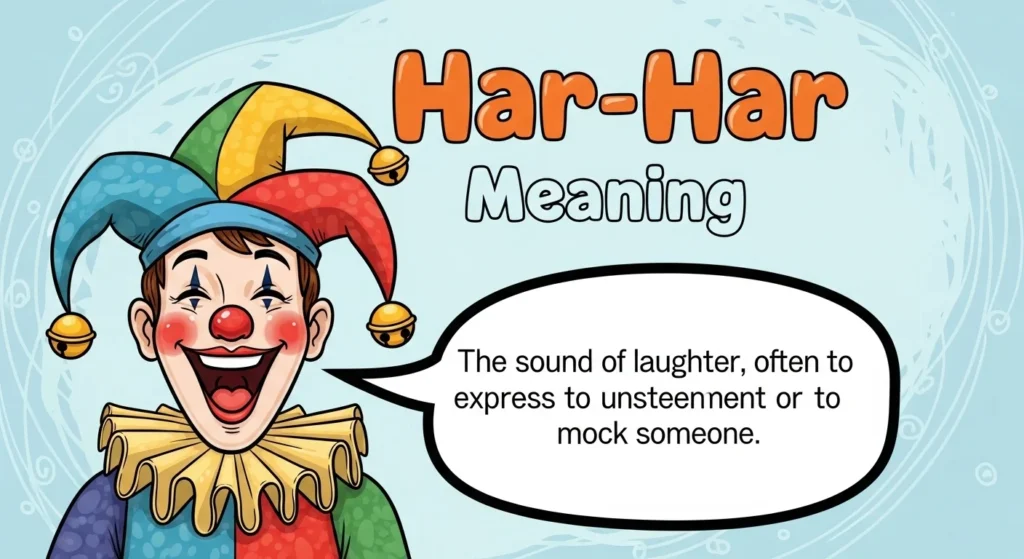
In many cultures, “Har-Har” represents laughter or amusement. Biblically, laughter can be healthy and God-given when it flows from joy rather than pride. For Christians today, this reminds believers to cultivate joy that is pure, uplifting, and rooted in gratitude.
2. Mockery or Scoffing (Context Matters)
Bible Verse:
“Blessed is the one who does not walk in step with the wicked… or sit in the seat of mockers.” — Psalm 1:1
When used sarcastically or dismissively, “Har-Har” may symbolize mockery. Scripture warns against scoffing, as it hardens the heart. Believers are guided to examine whether their words build others up or tear them down.
3. Repetition Without Meaning
Bible Verse:
“Do not keep on babbling like pagans.” — Matthew 6:7
Repetitive sounds without purpose can symbolize empty speech. Spiritually, this encourages Christians to speak intentionally and prayerfully. Words should reflect sincerity, not distraction or carelessness.
4. Emotional Release or Nervous Response
Bible Verse:
“The Lord is close to the brokenhearted.” — Psalm 34:18
Sometimes laughter or repeated sounds express nervousness or emotional release. In such cases, “Har-Har” may reflect inner tension. Spiritually, this points believers toward prayer, healing, and emotional honesty before God.
5. Discernment Between Joy and Disrespect
Bible Verse:
“Set a guard, O Lord, over my mouth.” — Psalm 141:3
The Bible teaches balance—joy without irreverence, humor without harm. This interpretation guides believers to practice discernment in how expressions are used and received.
Examples and Variations of “Har-Har”
Meaning may shift depending on context:
In conversation: Laughter, sarcasm, or teasing
In writing or media: Mockery or exaggeration
In dreams: Emotional release, nervousness, or ridicule
Repeatedly hearing it: A call to examine emotional or spiritual tone
Biblical symbolism always depends on intent, emotion, and alignment with God’s character.
Dealing With Negative or Troubling Associations
If “Har-Har” appears in a disturbing dream or creates discomfort, it may reflect inner conflict, fear of ridicule, or unresolved emotions.
Scriptural Guidance and Protection:
Psalm 91 – God’s protection
Psalm 23 – God’s comfort and reassurance
Ephesians 6:10–18 – Guarding the mind and spirit
Believers are encouraged to pray for peace, cleanse their thoughts with Scripture, and reject fear or shame. Seeking counsel from trusted spiritual leaders can bring clarity.
Faith-Based Guidance for Believers
1. Prayer for Speech and Discernment
Example Prayer:
“Lord, guide my words and guard my heart. Let my speech reflect Your love, wisdom, and peace.”
2. Self-Examination and Reflection
Ask whether words or expressions are being used to uplift or to mock. Repentance restores integrity and peace.
3. Seeking Spiritual Support
Seek guidance from:
Pastors
Spiritual mentors
Christian counselors or prayer groups
God often uses community to refine character and understanding.