

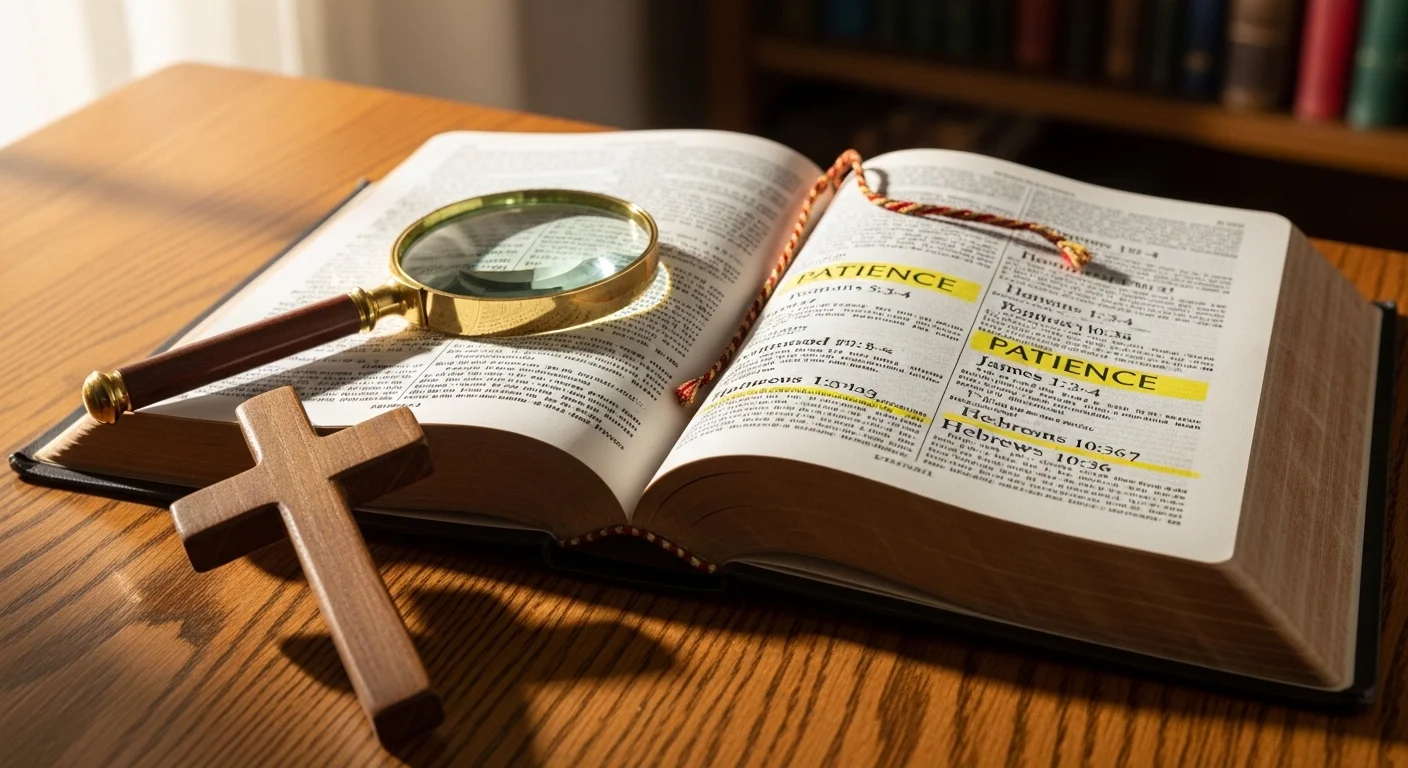
Biblical Background of Patience
In the Bible, patience is often translated from Hebrew and Greek words that mean long-suffering, steadfastness, endurance, and self-control.
Hebrew (ʼerekh appayim) – “slow to anger”
Greek (makrothymia) – “long-tempered” or “enduring restraint”
God Himself is described as patient:
Exodus 34:6
“The LORD, the LORD, the compassionate and gracious God, slow to anger, abounding in love and faithfulness.”
Historically, patience was seen as a mark of wisdom and righteousness. The prophets waited for God’s promises, Israel endured seasons of testing, and Jesus modeled perfect patience even in suffering.
Patience in the Bible Spiritual Interpretations of Patience in the Bible
1. Patience as Trust in God’s Timing
Ecclesiastes 3:11
“He has made everything beautiful in its time.”
Biblical patience teaches believers to trust that God’s timing is purposeful and precise. Waiting does not mean God is inactive; it means He is working beyond what we can see.
In daily life, patience helps Christians resist anxiety and surrender control to God’s plan.
2. Patience as a Fruit of the Spirit
Galatians 5:22
“But the fruit of the Spirit is love, joy, peace, patience…”
Patience is evidence of the Holy Spirit’s work within a believer. It grows as we walk closely with God and yield our reactions to His guidance.
This reminds Christians that patience is not merely learned—it is spiritually cultivated.
3. Patience Through Trials and Suffering
James 1:3–4
“Because you know that the testing of your faith produces perseverance.”
Trials are often God’s classroom for patience. Endurance refines character and strengthens faith.
For believers today, patience during hardship develops spiritual maturity and resilience.
4. Patience in Relationships
Ephesians 4:2
“Be completely humble and gentle; be patient, bearing with one another in love.”
Patience is essential for unity, forgiveness, and love. It reflects Christ’s grace toward others.
In daily life, patience transforms how believers respond to conflict, disappointment, and misunderstanding.
5. Patience as Hope-Filled Waiting
Romans 8:25
“But if we hope for what we do not yet have, we wait for it patiently.”
Biblical patience is not passive—it is hopeful expectation rooted in God’s promises.
Christians are encouraged to wait with faith, not frustration.
Patience in the Bible Examples and Variations of Patience in Scripture
Patience in Waiting
Abraham waited years for God’s promise (Genesis 21)
Joseph endured injustice before promotion (Genesis 37–50)
Patience in Obedience
Following God even when results are unseen
Patience in Dreams and Spiritual Seasons
In Christian dream interpretation, patience may appear symbolically through waiting, delays, unfinished journeys, or repeated obstacles—often signaling God’s call to trust His process.
Emotional Context Matters
Patience feels different depending on fear, hope, anger, or faith. Scripture teaches believers to submit emotions to God during waiting seasons.
Patience in the Bible Dealing With Impatience, Frustration, or Weariness
When patience feels strained or exhausted, the Bible offers protection and renewal.
Scriptural Support
Psalm 91 – God’s covering and protection
Psalm 23 – Restoration and peace
Ephesians 6:10–18 – Strength through the Armor of God
Prayer for Patience and Peace
“Lord, strengthen my heart as I wait. Guard me from frustration and doubt. Teach me to trust Your timing and fill me with Your peace.”
Believers are reminded to seek discernment, renew their minds through Scripture, and seek counsel from pastors or spiritual mentors.
Patience in the Bible Faith-Based Guidance for Cultivating Patience
1. Prayer for Endurance
Ask God daily for patience, wisdom, and emotional control.
2. Self-Examination & Repentance
Reflect on areas where impatience has replaced trust. Repent and realign your heart with God’s will.
3. Seek Spiritual Support
Lean on:
Pastors
Spiritual mentors
Prayer groups
Community strengthens patience through encouragement and accountability.