
Biblical Background
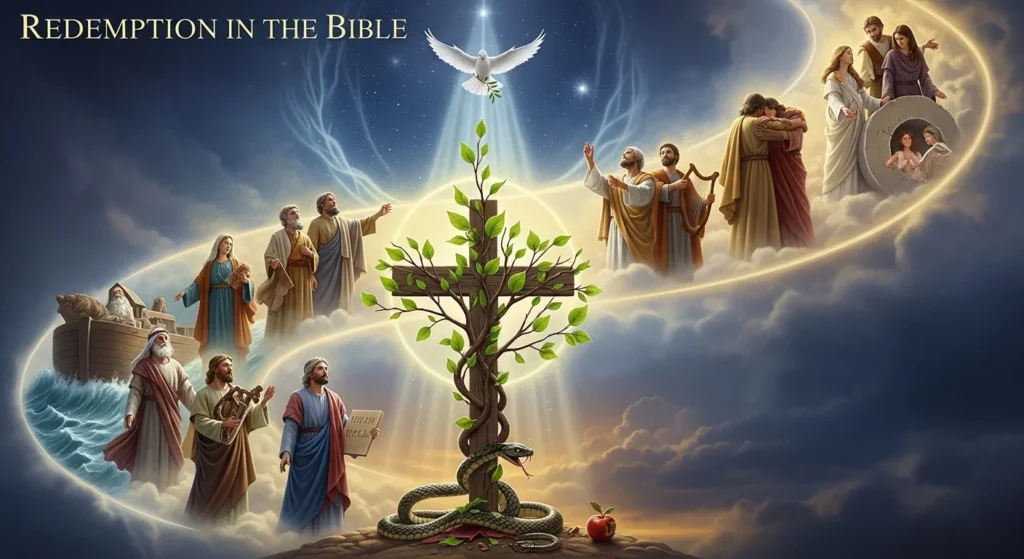
The concept of redemption appears throughout both the Old and New Testaments, often linked to deliverance, freedom, and restoration.
Exodus 6:6 – God promises to deliver Israel from slavery in Egypt: “I will redeem you with an outstretched arm and with mighty acts of judgment.”
Leviticus 25:23–24 – The idea of redeeming land and property points to God’s provision and restoration: “The land shall not be sold permanently, for the land is Mine; for you are strangers and sojourners with Me.”
Isaiah 44:22 – God declares: “I have blotted out your transgressions like a cloud and your sins like mist; return to Me, for I have redeemed you.”
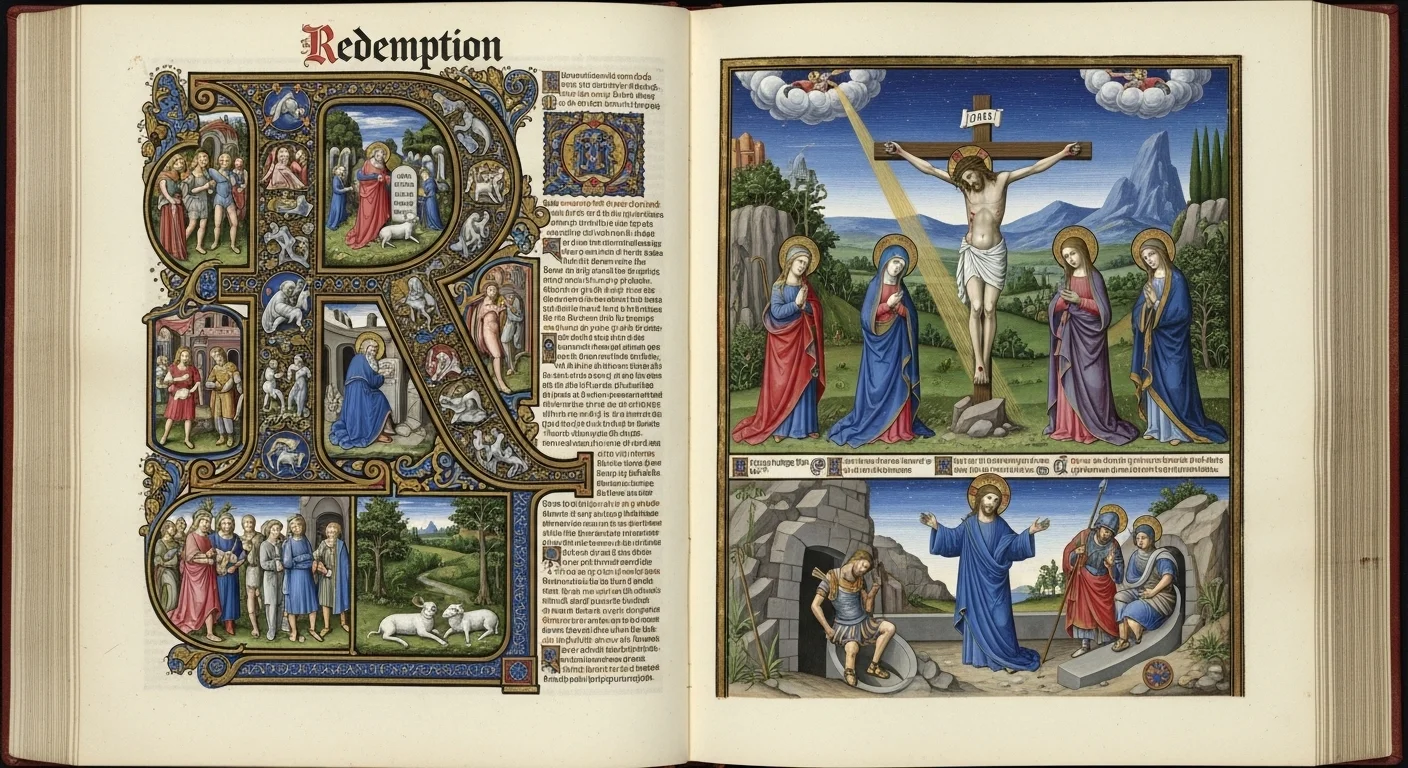
In the New Testament, redemption reaches its ultimate fulfillment in Jesus Christ, whose death and resurrection provide spiritual freedom and reconciliation with God:
Ephesians 1:7 – “In Him we have redemption through His blood, the forgiveness of our trespasses, according to the riches of His grace.”
Colossians 1:13–14 – “He has delivered us from the domain of darkness and transferred us to the kingdom of His beloved Son, in whom we have redemption, the forgiveness of sins.”
Redemption in Scripture thus encompasses freedom from sin, restoration of relationship with God, and the inheritance of eternal life.
Redemption in the Bible A Comprehensive Exploration Spiritual Interpretations
Here are 4 key spiritual lessons about redemption in the Bible:
Redemption Brings Forgiveness and Cleansing
“In Him we have redemption through His blood, the forgiveness of sins.” – Ephesians 1:7 (ESV)
Redemption removes the guilt and penalty of sin, offering believers a fresh start. Practically, Christians can embrace forgiveness for themselves and extend grace to others.Redemption Restores Relationship with God
“For the Son of Man came to seek and to save the lost.” – Luke 19:10 (ESV)
Redemption restores broken fellowship with God, bringing peace, purpose, and spiritual intimacy. Believers are invited into a life of worship, obedience, and trust.Redemption Offers Freedom from Bondage
“Now the Lord is the Spirit, and where the Spirit of the Lord is, there is freedom.” – 2 Corinthians 3:17 (ESV)
Redemption frees Christians from the power of sin, fear, and worldly distractions, allowing them to live in spiritual liberty.Redemption Provides Hope and Eternal Life
“In Him we have obtained an inheritance, having been predestined according to the purpose of Him who works all things according to the counsel of His will.” – Ephesians 1:11–12 (ESV)
Redemption is not temporary—it points to eternal restoration, hope, and participation in God’s kingdom. Faith in Christ ensures that believers share in His glory forever.
Redemption in the Bible A Comprehensive Exploration Examples or Variations
Redemption in the Bible appears in different forms and contexts:
Personal Redemption: Individuals, such as David or the prodigal son, experience forgiveness and restoration (Psalm 103:3; Luke 15:11–32).
Corporate Redemption: Israel’s deliverance from Egypt symbolizes God’s saving power for a community (Exodus 12:51).
Spiritual Redemption through Christ: Humanity is freed from sin and death through Jesus’ sacrifice (Romans 3:24).
Symbolic Acts of Redemption: Redemption of property, servants, and rituals in the Old Testament foreshadows the ultimate redemption in Christ (Leviticus 25:48–50).
The significance of redemption may shift based on context, emotions, or divine timing, but its essence—God restoring and saving His people—remains constant.
Redemption in the Bible A Comprehensive Exploration Dealing With Negative Signs or Struggles
Sometimes believers struggle to feel redeemed due to guilt, shame, or persistent sin. The Bible offers guidance:
Prayer for Assurance and Peace
Psalm 34:18 – God comforts the brokenhearted.
Romans 8:1 – No condemnation for those in Christ.
Repentance and Confession
Acknowledge sins honestly and seek God’s forgiveness (1 John 1:9).
Seek Spiritual Support
Pastors, mentors, and prayer groups provide encouragement and accountability.
Meditate on Redemption Verses
Reflect on Ephesians 1:7, Colossians 1:14, and Isaiah 44:22 to internalize God’s promises.
Redemption in the Bible A Comprehensive Exploration Faith-Based Guidance
Practical steps for embracing redemption:
Prayer of Acceptance
“Lord, thank You for redeeming me through Christ. Help me live in Your forgiveness and grace every day.”
Daily Reflection and Gratitude
Recall God’s saving work regularly to deepen faith and spiritual maturity.
Serve Others in Christ’s Love
Sharing redemption through acts of kindness, encouragement, and mentorship demonstrates God’s restoration to others.
Study Scripture on Redemption
Engage in Bible study, sermons, and devotionals focused on redemption to strengthen understanding and faith.